Weaving has been a **integral** part of Native American **cultures** for centuries. The intricate designs and patterns found in traditional Native American textiles are a reflection of the rich history and cultural significance of weaving among these tribes. From the Navajo to the Hopi, each tribe has its own unique weaving techniques and styles that have been passed down through generations.
The history of weaving among Native American tribes dates back thousands of years, with evidence of early textile production found in archaeological sites across North America. In addition to creating beautiful textiles for clothing, blankets, and ceremonial purposes, weaving also played a practical role in providing warmth and protection from the elements.
One of the most well-known forms of Native American weaving is done by the Navajo people, who are famous for their stunning rugs and blankets woven on upright looms. These intricate designs often feature geometric patterns and symbols that hold deep spiritual significance within the Navajo culture.
Another notable example is the basket weaving traditions of tribes such as the Cherokee and Pomo, who weave intricate baskets using natural materials like reeds, grasses, and tree bark. These baskets were not only functional for storing food and other items but also served as important cultural artifacts used in ceremonies and rituals.
Overall, the history of weaving among Native American tribes is a testament to the skill, creativity, and cultural importance placed on this ancient art form. Today, many Native American weavers continue to honor their ancestors' traditions while incorporating modern techniques and materials into their work. Through their intricate creations, they keep alive a vital piece of their heritage for future generations to appreciate.
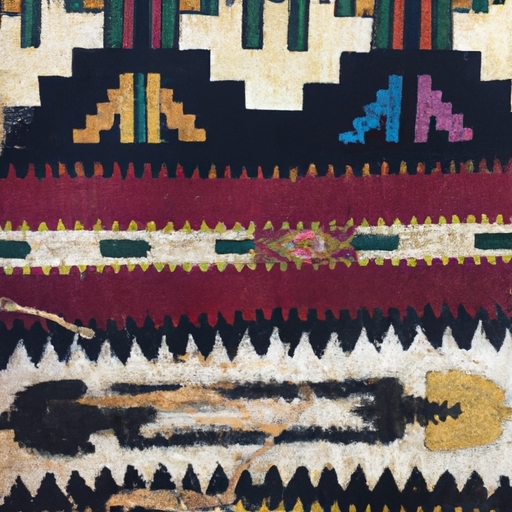
Weaving plays a **crucial** role in Native American culture and identity. It is a tradition that has been passed down through generations, connecting individuals to their ancestors and heritage. The intricate patterns and designs found in Native American textiles hold deep cultural significance, telling stories of the past and reflecting the values and beliefs of the community.
One **unlikely** aspect of weaving in Native American culture is its economic importance. Many tribes rely on weaving as a source of income, selling their handmade textiles to support their families. This not only helps preserve traditional weaving techniques but also provides a way for Indigenous people to sustain themselves economically in today's world.
Additionally, weaving serves as a form of artistic expression for Native Americans, allowing them to showcase their creativity and unique cultural perspectives. Through weaving, individuals can communicate their connection to the natural world, spirituality, and community. It is a way for them to express their identity and assert their presence in society.
Overall, the importance of weaving in Native American culture cannot be overstated. It is more than just a craft or skill – it is a vital part of Indigenous identity that links past generations with those yet to come. By preserving these traditions and passing them on to future generations, Native Americans are able to maintain their cultural heritage and honor the legacy of their ancestors through this beautiful art form.
Native American weaving traditions have a rich history that spans across many different tribes and cultures. Each tribe has its own unique style of weaving, using materials such as plant fibers, animal hair, and feathers to create intricate patterns and designs.
One type of traditional woven item made by Native Americans is the Navajo rug, which is known for its bold geometric patterns and vibrant colors. These rugs are often used as decorative pieces in homes or as blankets to keep warm during the cold winter months.
Another type of woven item made by Native Americans is the basket, which serves both practical and ceremonial purposes. Baskets are often intricately woven with natural materials like grasses, reeds, and willow branches to create sturdy containers for storing food or other items.
Additionally, Native American artisans also weave sashes, belts, and clothing using traditional techniques passed down through generations. These items are often adorned with symbolic designs that represent aspects of tribal culture and heritage.
Overall, Native American weaving traditions continue to thrive today as artists preserve their ancestral techniques and incorporate modern influences into their work. By creating beautiful woven items that reflect their cultural identity, Native Americans honor their heritage while also sharing it with the world.
Native American weaving traditions have been **practiced** for centuries, passing down skills through generations. Techniques and materials used in Native American weaving encompass a wide range of **methods** and resources. From the intricate designs of Navajo **rug** weaving to the vibrant colors of Cherokee basketry, each tribe has its own unique style.
One common technique used in Native American weaving is the warp and weft method, where vertical threads (warp) are interlaced with horizontal threads (weft) to create a cohesive fabric. This process requires precision and attention to detail, as even the slightest mistake can disrupt the pattern.
In terms of materials, Native American weavers often use natural fibers such as wool, cotton, and plant fibers like yucca or cedar bark. These materials are sourced locally and sustainably, reflecting the deep connection that Indigenous peoples have with their environment.
Overall, Native American weaving traditions are not only a form of artistic expression but also a way to preserve cultural heritage and pass down ancestral knowledge. By learning about these techniques and materials used in weaving, we can gain a greater appreciation for the craftsmanship and artistry of Indigenous peoples.
Colors and patterns play a crucial **role** in Native American woven designs. These intricate patterns are rich with symbolism and cultural significance, reflecting the history and traditions of the tribes that create them.
In many Native American cultures, specific colors hold particular meanings. For example, red may represent the earth or bloodline of ancestors, while blue could symbolize sky or water. By incorporating these colors into their designs, weavers are able to convey deeper messages and connections to their heritage.
Patterns in Native American weaving often tell stories or depict important events. From geometric shapes to animals and plants, each pattern holds its own unique significance. These designs not only serve as beautiful works of art but also serve as a way for tribes to pass down their history and teachings through generations.
The meticulous process of creating these woven pieces requires skill, patience, and dedication. Weavers spend hours carefully selecting colors and designing patterns to ensure each piece accurately reflects the intended message or story.
Overall, the significance of colors and patterns in Native American woven designs goes far beyond aesthetics; they serve as a powerful means of preserving culture, honoring ancestors, and connecting present-day indigenous communities with their past. Through this timeless art form, we can appreciate the beauty and depth of Native American weaving traditions.
Preservation efforts are crucial to ensure the longevity of Native American weaving traditions. These intricate and beautiful art forms have been passed down through generations, **but** face many challenges in today's world.
One of the main challenges is the loss of knowledge and expertise as older weavers pass away without passing on their skills to younger generations. This can lead to a decline in the quality and authenticity of traditional woven pieces.
Another challenge is the competition from mass-produced imitations that flood the market, making it difficult for authentic Native American weavings to stand out. **Additionally**, there are issues with cultural appropriation and exploitation of Indigenous designs by non-Indigenous artists.
Preservation efforts include initiatives such as cultural education programs, **revitalization** projects, and support for Indigenous artisans. By raising awareness about the importance of preserving these traditions, we can help ensure that Native American weaving continues to thrive for years to come.
It is essential for us to recognize the significance of these weaving traditions and work together to protect them from extinction. Through collaboration between Indigenous communities, scholars, **and** advocates, we can overcome the challenges facing Native American weaving and preserve this valuable aspect of their cultural heritage.
Native American weaving traditions have evolved **significantly** over time due to the impact of modern influences. Traditional techniques and patterns have **been** altered or adapted to **incorporate** new materials, colors, and designs. While some may argue that these changes dilute the authenticity of Native American textiles, others see it as a natural progression that allows for innovation and creativity within the craft.
One of the most prominent modern influences on traditional Native American weaving practices is the introduction of synthetic fibers. While traditionally weavers used natural materials such as wool, cotton, and plant fibers, they now have access to a wide range of synthetic yarns that offer different textures and colors. This has allowed for greater versatility in design and has opened up new possibilities for experimentation.
Another modern influence on Native American weaving traditions is the use of technology. With the advent of computer-aided design software and digital looms, weavers can now create intricate patterns with precision and speed that would have been impossible with traditional methods alone. This has led to a resurgence of interest in traditional weaving techniques among younger generations who are drawn to the intersection of tradition and innovation.
Overall, while modern influences have undoubtedly changed the landscape of Native American weaving practices, they have also brought about exciting opportunities for growth and exploration within the craft. By embracing these influences while still honoring their cultural heritage, Native American weavers are able to keep their traditions alive while also moving forward into a more dynamic future.